


 Translate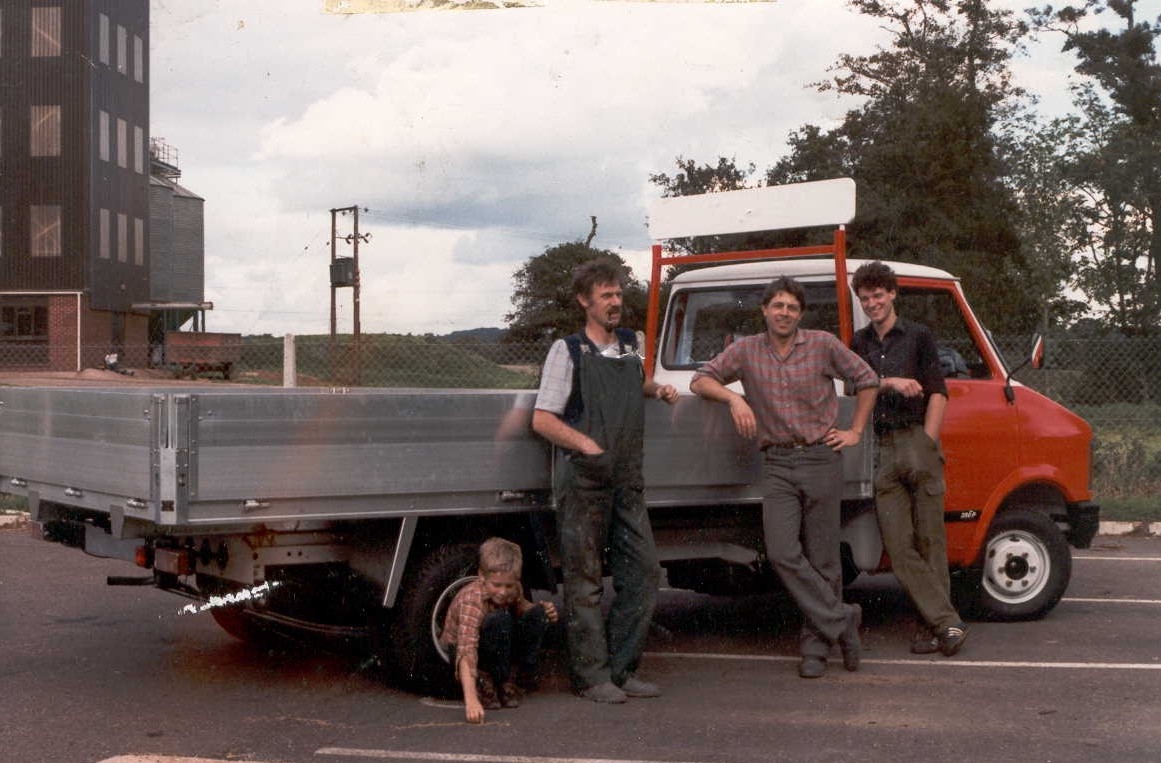
If you think the low-floored Luton van has always been the king of the British roadside, think again. Before 1985, if you wanted to move a piano or a house-worth of furniture, you usually needed a tail lift, a lot of luck, and a very strong back.
The Spark of an Idea (1985)
Trucksmith didn’t start with a multi-million-pound factory; it started with the classic British spirit of “doing it better.” Established in 1985 in Devon, the company began as a traditional, family-run jobbing coachbuilder. In those early days, we weren’t just building vans—we were building a reputation for superior quality that got local operators talking.
The LoLoader® Revolution
The real “eureka” moment came when we looked at the traditional Luton van and saw more problems than solutions. They were aerodynamically “challenging” (read: they drove like a brick), and the floor height made loading a nightmare.
Then Managing Director and Lead Designer, Brian Trebble, decided to lower the bar—literally. Over thirty years ago, we developed the LoLoader® on a Renault Master platform. By eliminating the need for a heavy, expensive tail lift and bringing the floor just 450mm from the tarmac, we didn’t just change the van—we changed the industry.
Growth and Recognition
From those early workshops to our massive facilities at Hitchcocks Business Park, the journey has been one of constant expansion.
- 2007: We began working with major fleets like Gander & White, proving our mettle in the high-pressure London market.
- 2016: A landmark year where we celebrated 500 Renault Master LoLoaders in a single year and invested £1.5m to expand our production space.
- Present Day: Now run by Daniel and Emma Trebble, Trucksmith remains a family-driven powerhouse, serving as an official approved converter for giants like Renault, Vauxhall, Fiat, and Nissan.
Today, whether it’s something bespoke the Target Tipper, or the legendary LoLoader®, every vehicle that leaves our Devon home carries forty years of “doing it better” in its DNA. We’ve come a long way since 1985, but the goal remains the same: making sure your payload is the only thing doing the heavy lifting.
