FROM JOBBING COACHBUILDER TO LOLOADER LEGENDS: THE TRUCKSMITH STORY

If you think the low-floored Luton van has always been the king of the British roadside, think again. Before 1985, if you wanted to move a piano or a house-worth of furniture, you usually needed a tail lift, a lot of luck, and a very strong back.

The Spark of an Idea (1985)

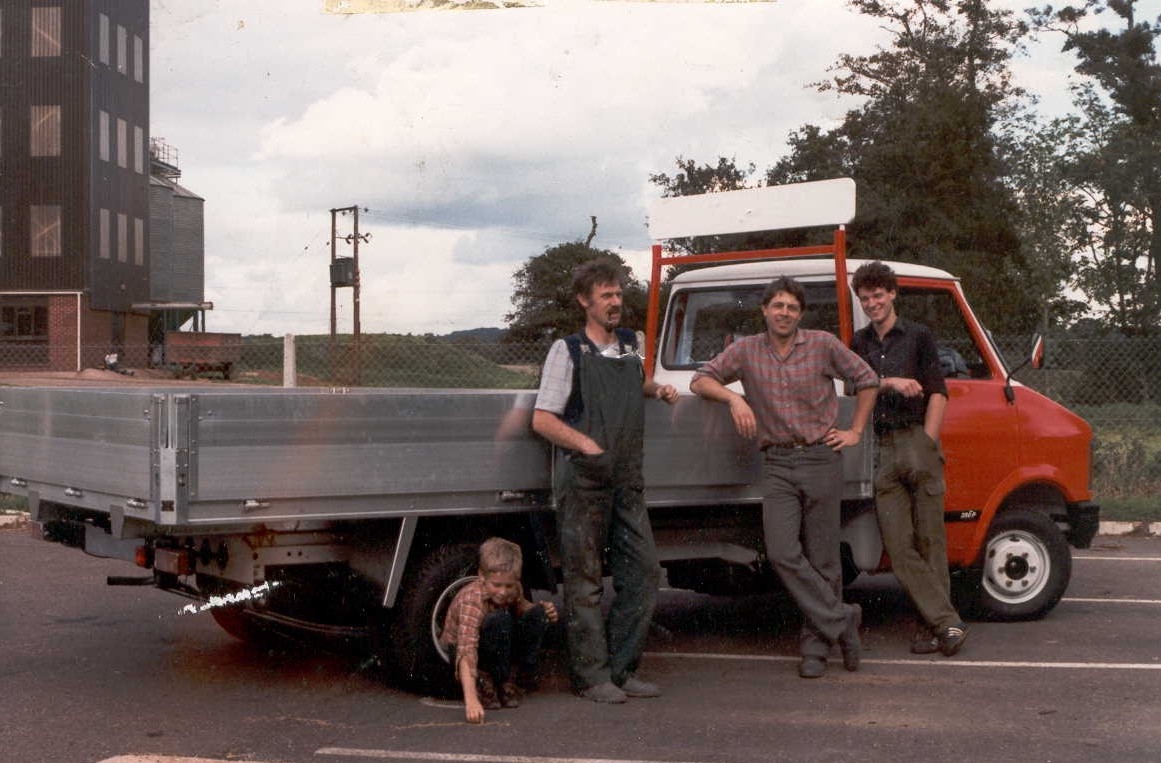
Trucksmith didn’t start with a multi-million-pound factory; it started with the classic British spirit of “doing it better.” Established in 1985 in Devon, the company began as a traditional, family-run jobbing coachbuilder. In those early days, we weren’t just building vans—we were building a reputation for superior quality that got local operators talking.

The LoLoader® Revolution

The real “eureka” moment came when we looked at the traditional Luton van and saw more problems than solutions. They were aerodynamically “challenging” (read: they drove like a brick), and the floor height made loading a nightmare.

Then Managing Director and Lead Designer, Brian Trebble, decided to lower the bar—literally. Over thirty years ago, we developed the LoLoader® on a Renault Master platform. By eliminating the need for a heavy, expensive tail lift and bringing the floor just 450mm from the tarmac, we didn’t just change the van—we changed the industry.

Growth and Recognition

From those early workshops to our massive facilities at Hitchcocks Business Park, the journey has been one of constant expansion.

  • 2007: We began working with major fleets like Gander & White, proving our mettle in the high-pressure London market.
  • 2016: A landmark year where we celebrated 500 Renault Master LoLoaders in a single year and invested £1.5m to expand our production space.
  • Present Day: Now run by Daniel and Emma Trebble, Trucksmith remains a family-driven powerhouse, serving as an official approved converter for giants like Renault, Vauxhall, Fiat, and Nissan.

Today, whether it’s something bespoke the Target Tipper, or the legendary LoLoader®, every vehicle that leaves our Devon home carries forty years of “doing it better” in its DNA. We’ve come a long way since 1985, but the goal remains the same: making sure your payload is the only thing doing the heavy lifting.

HEAVY LIFTING MADE EASY: MEET THE TRUCKSMITH TARGET TIPPER

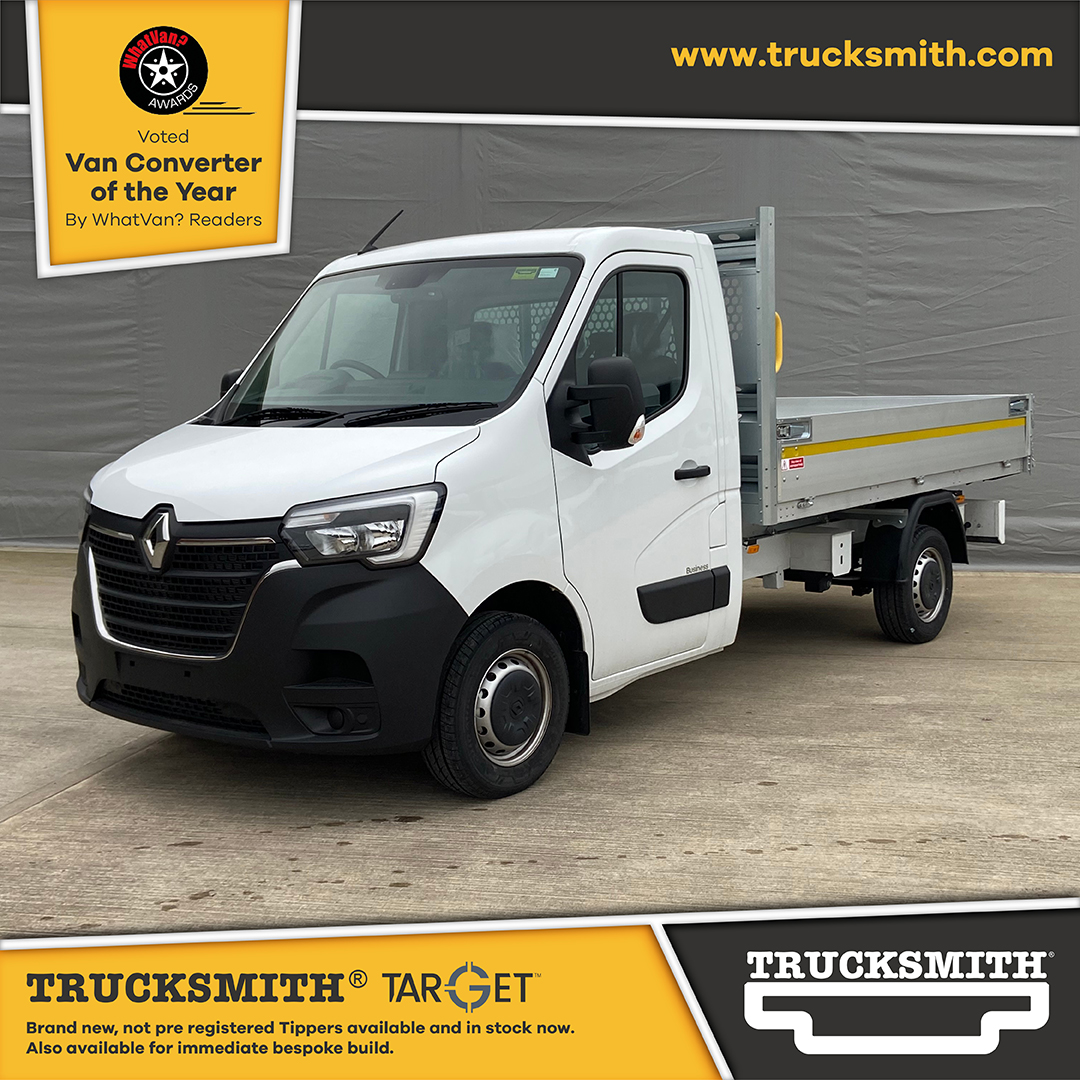
In the demanding worlds of construction, landscaping, and waste management, your vehicle is more than just a mode of transport—it’s the most important tool in your kit. While Trucksmith is widely known as the home of the low-floored LoLoader®, our engineering expertise extends far beyond Lutons. Enter the Trucksmith Target Tipper: a powerhouse designed for durability, efficiency, and maximum uptime.

Engineered for the Arduous

The Target Tipper is built to thrive where others struggle. Whether you’re hauling loose aggregate, soil, or site waste, this vehicle is designed to handle the “rough and tumble” of daily site work.

Key features that set the Target apart include:

  • Robust Construction: Built on a hot-dip galvanized steel subframe for maximum corrosion resistance and longevity.

  • Payload Precision: By utilizing high-strength, lightweight materials, we ensure you can carry more per trip, reducing the number of journeys and lowering your fuel costs.

  • Seamless Operation: Our tipping mechanism is engineered for smooth, reliable performance, ensuring that “dispensing” your load is as easy as transporting it.

Why Choose Trucksmith?

Every Target Tipper is built with the same DNA as our record-breaking LoLoader range. This means you benefit from a build quality that mirrors the manufacturer’s own warranty. We don’t just “bolt on” a body; we create a unified, structure that feels as responsive and stable on the road as a standard van.

Ready to Upgrade Your Fleet?

Choosing the right tipper is a significant investment for your business, and we are here to make sure you get the specifications exactly right. Whether you need a single vehicle or a full fleet rollout, our team is ready to provide expert guidance.

Get in touch today to discuss your requirements:

At Trucksmith, we don’t just build vehicles; we build your business’s future. Let’s get to work.

THE EV TRANSITION: NAVIGATING THE 2026 MARCH SLOWDOWN

The latest data from the Society of Motor Manufacturers and Traders (SMMT) has sent a clear signal to the UK automotive industry: while the desire for decarbonisation remains strong, the practical transition for light commercial vehicles (LCVs) is hitting a significant speed bump.

A Challenging March for Electric Vans

Despite March traditionally being a “bonanza” month due to number plate changes, registrations for battery electric vans (BEVs) fell by 15.9%, with only 3,543 units hitting the road. This drop resulted in a market share of just 7.1%—the lowest point the sector has seen since September 2024.

While electric demand grew by a modest 4.3% across the first quarter of 2026, the current market share of 9% sits uncomfortably far from the government’s 24% mandate target for the year. Meanwhile, diesel models continue to be the workhorse of the UK, accounting for over 85% of all new LCV registrations.

Why the Hesitation?

Fleet operators are not turning away from green energy because of a lack of will, but rather a lack of infrastructure and fiscal viability. High upfront costs and a public charging network that still struggles to accommodate larger LCVs remain the primary barriers.

Mike Hawes, SMMT Chief Executive, warned that this contraction in fleet renewal—now seen in 14 of the last 16 months—reflects a dip in overall business confidence.

The Trucksmith Perspective

At Trucksmith, we believe that while the macro-stats show a slowdown, the solution lies in smarter engineering. Our LeccyLoader is designed specifically to mitigate these industry “headaches.” By using ultra-lightweight HexLite materials, we ensure that the transition to electric doesn’t mean sacrificing the payload that diesel users are so reluctant to give up.

Government measures like the extension of the plug-in van grant to 2027 are welcome, but as the SMMT suggests, a “holistic review” of the transition is needed to bridge the gap between mandate and reality.